August 10, 2026
How Often Should I Water My San Diego Garden?
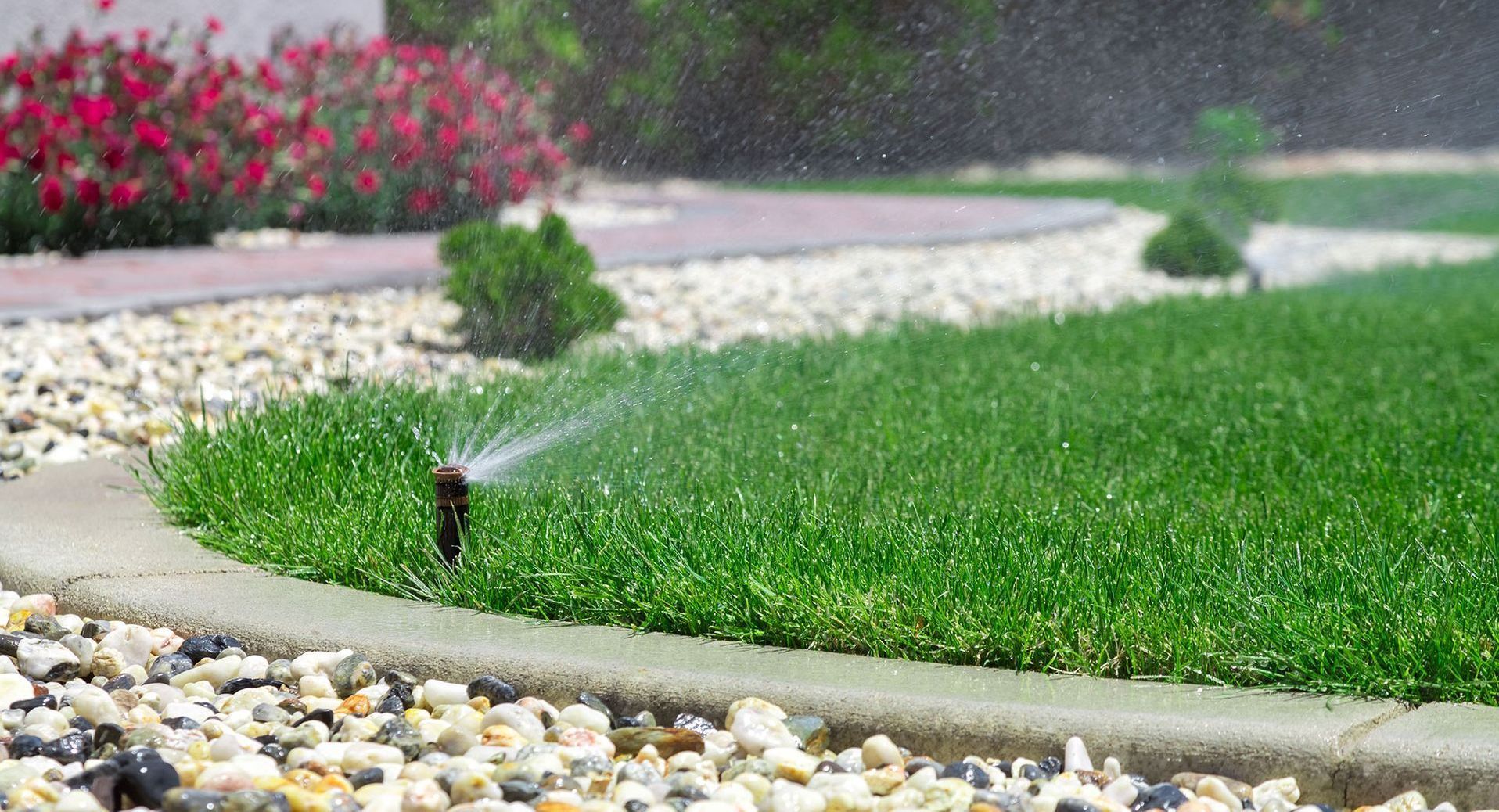
One of the most common questions San Diego homeowners have about their landscapes is simple: How often should I water my garden?
Unfortunately, there isn't one watering schedule that works for every property. San Diego's climate, soil conditions, plant varieties, sun exposure, and time of year can all affect how much water your landscape needs.
The goal isn't necessarily to water more; it's to water efficiently.
Understanding your landscape and adjusting your irrigation throughout the year can help you maintain healthy plants while reducing unnecessary water use.
Here's what San Diego homeowners should know.
How Often Should You Water a Garden in San Diego?
Your ideal watering schedule depends heavily on what's growing in your yard.
Established drought-tolerant plants may need relatively little supplemental water, while lawns, vegetable gardens, containers, and newly installed plants can require more frequent attention.
Rather than following a fixed schedule year-round, consider:
- Plant type and maturity
- Soil conditions
- Sun and shade exposure
- Current temperatures
- Recent rainfall
- Irrigation method
- Local watering restrictions
Your garden's needs can change significantly between a cool winter week and a hot August afternoon.
Water Deeply Instead of Frequently
For many established landscape plants, deeper and less frequent watering can be more effective than short, frequent watering.
Deep watering encourages roots to grow farther into the soil in search of moisture. Over time, stronger root systems can help plants become more resilient during hot and dry conditions.
Frequent shallow watering, on the other hand, can encourage roots to remain close to the surface, where the soil dries more quickly.
The right approach will depend on the individual plant and soil type, so it's important to pay attention to how your landscape responds.
The Best Time of Day to Water
In most cases, early morning is a good time to water your San Diego landscape.
Temperatures are typically cooler, which can reduce evaporation and give water more time to soak into the soil.
Watering during the hottest part of the afternoon can result in greater water loss through evaporation.
You should also avoid unnecessary watering immediately after rainfall. Smart irrigation controllers and rain sensors can make these adjustments easier.
Different Plants Have Different Watering Needs
One of the biggest landscaping mistakes is treating every plant the same.
Lawns
Turf can require more frequent irrigation than many established shrubs and drought-tolerant plants. Watch for signs of stress and adjust watering based on your grass type, season, and local conditions.
Native and Drought-Tolerant Plants
Once established, many California native and drought-tolerant plants can thrive with considerably less supplemental irrigation.
Overwatering these plants can sometimes be just as harmful as underwatering them.
Newly Installed Plants
New plants generally need closer attention while their root systems become established. Their watering needs will typically change as they mature.
Potted Plants
Containers can dry out faster than landscape beds, especially when they're exposed to direct San Diego sun. Check the soil regularly rather than assuming they're receiving enough water from your normal irrigation schedule.
Don't Forget About Your Soil
Your soil plays a major role in determining how often you should water.
Sandy soils typically drain quickly, while heavier soils can retain moisture for longer periods. If water is running off the surface rather than soaking into the ground, simply increasing your watering time may waste water rather than helping your plants.
Improving soil conditions and using appropriate irrigation methods can help water reach plant roots more effectively.
Check Your Irrigation System Regularly
Even a good watering schedule won't work if your irrigation system isn't functioning properly.
Common irrigation problems include:
- Broken sprinkler heads
- Clogged emitters
- Leaking lines
- Overspray onto sidewalks
- Uneven coverage
- Incorrect controller settings
A small irrigation problem can result in one section of your landscape being overwatered while another remains completely dry.
Routine irrigation inspections are especially important during San Diego's warmer months.
Watch Your Plants for Signs of Stress
Your landscape can often tell you when something isn't right.
Possible signs of underwatering include wilting, dry soil, browning, and declining plant health. However, similar symptoms can sometimes result from overwatering, poor drainage, pests, or other problems.
Before automatically increasing irrigation, take a closer look at the soil and overall plant health.
Consider Drip Irrigation
For many planting areas, drip irrigation can provide a more targeted approach to watering.
Instead of spraying large areas, drip systems deliver water closer to the root zone. When properly designed and maintained, this can reduce runoff and evaporation while helping plants receive water where they need it.
Drip irrigation can be particularly useful for:
- Shrubs
- Trees
- Flower beds
- Vegetable gardens
- Drought-tolerant landscapes
Adjust Your Watering Throughout the Year
Your San Diego garden shouldn't necessarily have the same irrigation schedule in January that it has in August.
As temperatures rise, rainfall decreases, or daylight conditions change, your landscape's water requirements may change as well.
Seasonal irrigation adjustments can help keep your landscape healthy without wasting water.
Always follow current watering rules and restrictions from your local water provider, as requirements can vary depending on where you live in San Diego County.
A Healthy Landscape Starts With Smart Watering
The answer to "How often should I water my San Diego garden?" ultimately depends on your individual property.
The most effective approach combines the right plants, healthy soil, efficient irrigation, seasonal adjustments, and regular maintenance.
At Kniffing's Landscape & Maintenance, we help San Diego homeowners take the guesswork out of caring for their landscapes. From irrigation inspections and repairs to ongoing landscape maintenance and water-efficient improvements, our team can help you develop a healthier and more efficient outdoor space.
If you're unsure whether your landscape is getting too much or too little water, contact Kniffing's Landscape & Maintenance. We'd be happy to take a look and help you find a watering approach that works for your property.