March 30, 2026
The landscaping industry is experiencing a significant transformation as property owners prioritize water efficiency and sustainability. Traditional irrigation methods are being replaced with smarter systems designed to reduce waste while maintaining healthy, visually appealing outdoor spaces. This shift is driven by environmental concerns, rising utility costs, and increased awareness of responsible resource management. A professional landscaping service plays a crucial role in guiding clients through these evolving practices, ensuring that landscapes remain both functional and environmentally conscious. By integrating innovative solutions, businesses and homeowners can achieve long-term efficiency without sacrificing aesthetic appeal. The move toward smart water management reflects a broader commitment to sustainable property care.
Water conservation is no longer an optional consideration; it is becoming a standard expectation in modern landscaping. Efficient water use helps preserve local ecosystems while also reducing operational expenses for property owners. Advanced irrigation technologies and strategic plant selection are key components of this approach. A knowledgeable landscaping service can evaluate site conditions and implement solutions tailored to specific environmental factors. This level of expertise ensures that every element of the landscape contributes to water efficiency. As sustainability continues to influence design decisions, smart water management remains at the forefront of industry trends.
Integrating Smart Irrigation With Advanced Technology Solutions
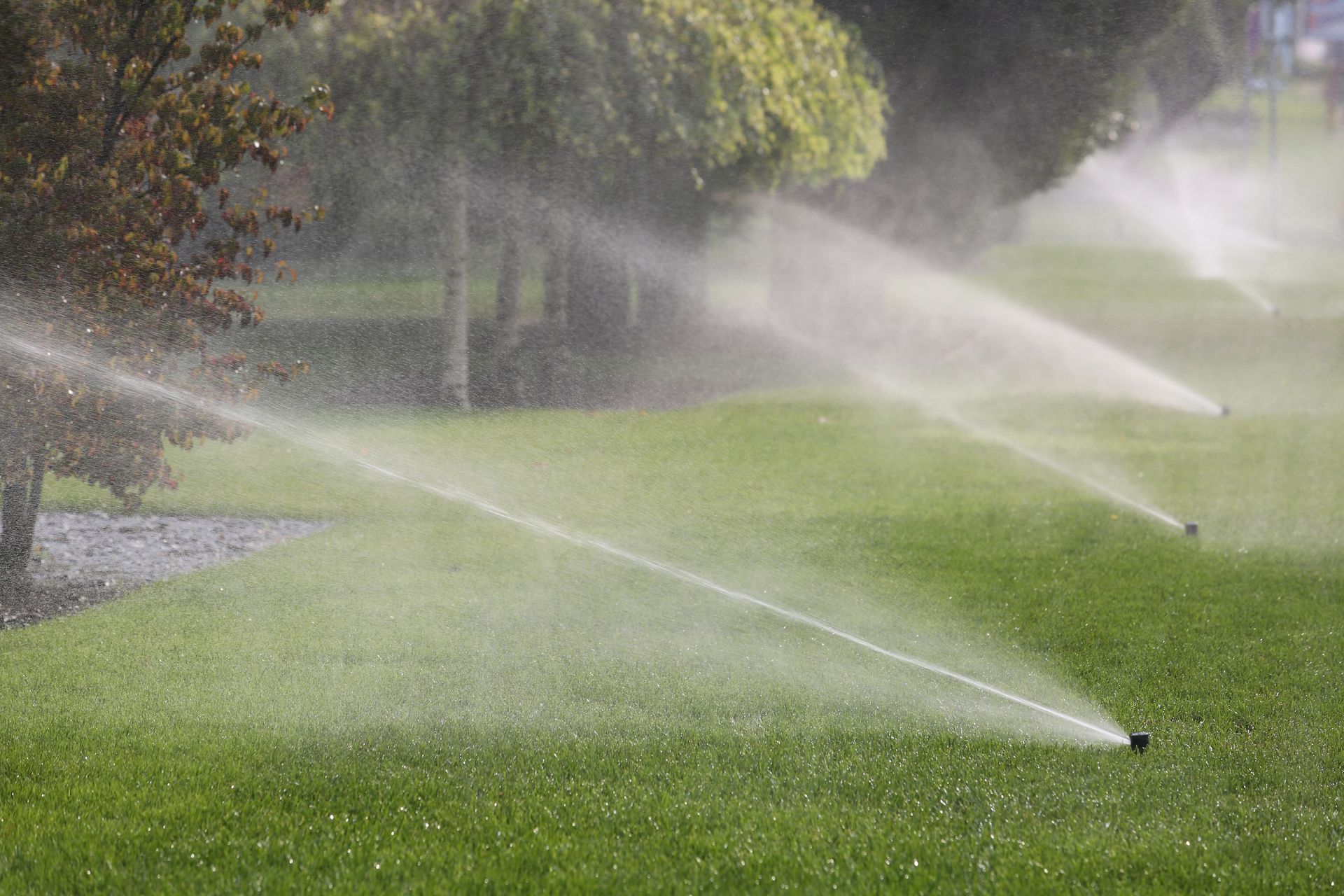
One of the most impactful developments in modern landscaping is the adoption of smart irrigation systems. These systems use sensors, weather data, and automated controls to deliver water precisely when and where it is needed. By eliminating unnecessary watering, they significantly reduce waste and improve plant health. A professional landscaping service can install and manage these systems to ensure optimal performance throughout the year. This level of precision enhances efficiency while maintaining consistent landscape quality.
Smart irrigation also adapts to changing environmental conditions, such as rainfall, temperature fluctuations, and soil moisture levels. This adaptability minimizes overwatering and prevents damage caused by inconsistent hydration. Property owners benefit from reduced water bills and improved sustainability, making these systems a valuable investment. A trusted landscaping service ensures that technology is properly calibrated and maintained for long-term reliability. As automation continues to shape the industry, smart irrigation systems are becoming a standard feature in modern landscapes.
Selecting Drought-Resistant Plants With Strategic Design Planning
Plant selection plays a vital role in achieving effective water management. Drought-resistant and native plants require less water and are better suited to local climate conditions. By incorporating these species into landscape designs, property owners can reduce irrigation needs without compromising visual appeal. A professional landscaping service provides guidance on selecting plants that thrive in specific environments, ensuring long-term success. This strategic approach supports sustainability while maintaining a vibrant and attractive outdoor space.
In addition to reducing water usage, drought-resistant plants contribute to overall landscape resilience. They are better equipped to withstand extreme weather conditions, reducing the risk of plant loss and costly replacements. A landscaping service can design cohesive layouts that balance aesthetics with functionality, creating spaces that are both beautiful and efficient. Thoughtful plant selection is a key component of modern landscaping trends, reflecting a shift toward environmentally responsible design.
Implementing Soil Management With Enhanced Water Retention Techniques
Soil health is a critical factor in water management, influencing how effectively moisture is retained and distributed throughout the landscape. Healthy soil improves water absorption and reduces runoff, allowing plants to access the hydration they need more efficiently. A professional landscaping service can assess soil composition and implement enhancements such as organic matter integration and proper grading. These improvements create a stable foundation for sustainable landscaping practices. By focusing on soil management, property owners can maximize the effectiveness of their irrigation systems.
Enhanced water retention techniques also contribute to long-term cost savings. By reducing the frequency of watering, these methods lower utility expenses while promoting healthier plant growth. A landscaping service ensures that soil conditions are optimized to support both plant health and water efficiency. This holistic approach addresses the root causes of water waste, rather than relying solely on surface-level solutions. As part of a comprehensive strategy, soil management plays a vital role in modern landscaping trends.
Utilizing Efficient Hardscaping With Sustainable Design Elements
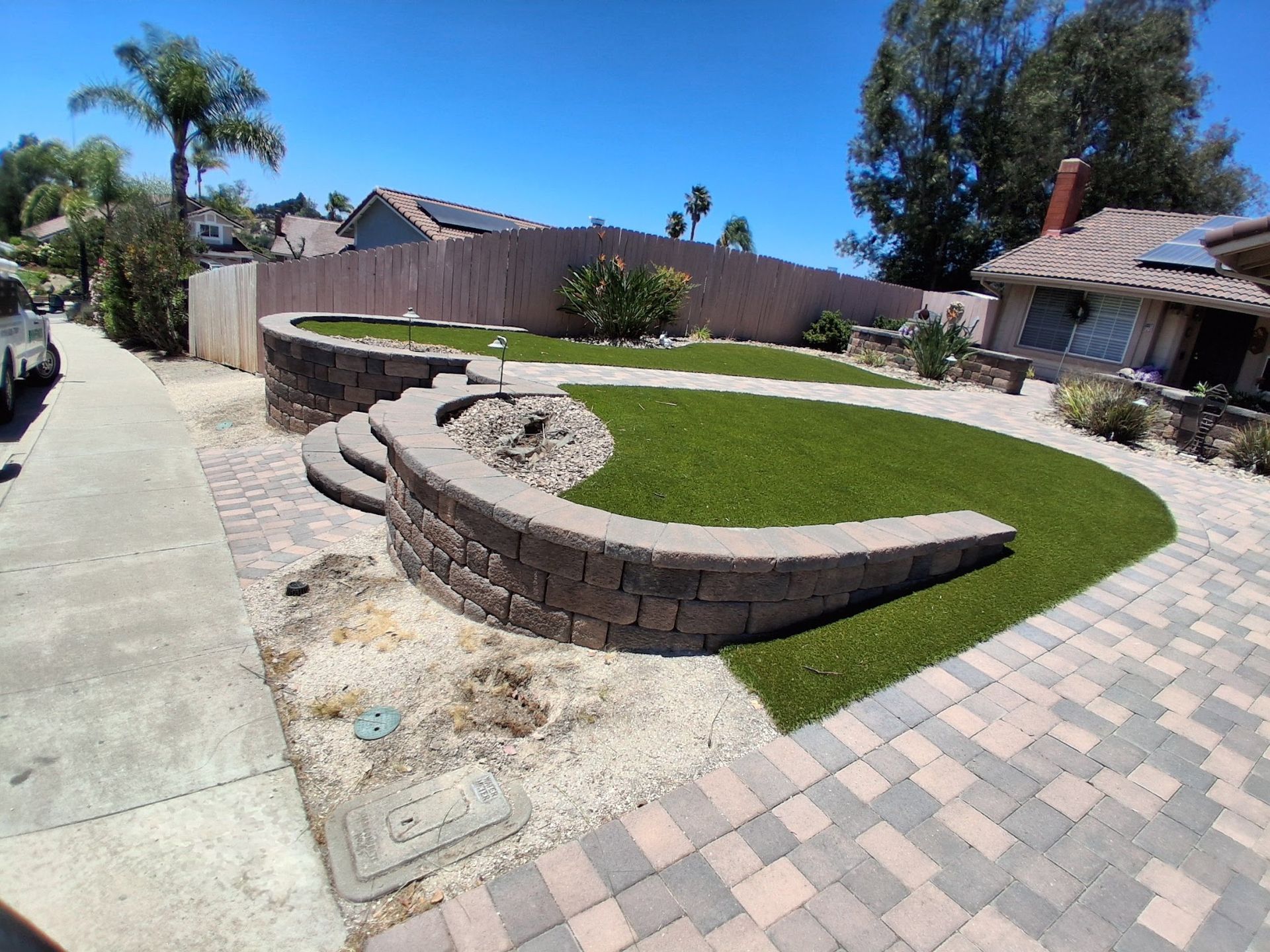
Hardscaping elements, such as patios, walkways, and retaining walls, can also support smart water management. Permeable materials allow water to seep into the ground rather than running off into drainage systems. This reduces erosion and helps replenish groundwater supplies, contributing to a more sustainable landscape. A professional landscaping service can incorporate these materials into designs that enhance both functionality and environmental performance. By combining hardscaping with water-efficient practices, property owners achieve a balanced and effective outdoor space.
Sustainable hardscaping also reduces maintenance requirements and enhances durability. Properly designed features minimize water pooling and prevent damage caused by excessive moisture. A landscaping service ensures that these elements are integrated seamlessly with the overall design, creating a cohesive and efficient environment. This approach reflects a growing emphasis on sustainability within the landscaping industry. By utilizing innovative materials and techniques, hardscaping becomes an integral part of smart water management strategies.
Adapting Landscape Designs With Climate-Responsive Planning
Climate-responsive design is another key trend shaping the future of landscaping. By considering local weather patterns, temperature variations, and seasonal changes, professionals can create landscapes that require minimal intervention. This approach reduces water usage while maintaining a consistent visual appeal throughout the year. A skilled landscaping service evaluates environmental factors and designs solutions that align with natural conditions. This level of planning ensures that landscapes remain sustainable and resilient over time.
Adapting to climate conditions also helps property owners avoid unnecessary expenses associated with excessive watering or plant replacement. By selecting appropriate materials and design elements, a landscaping service creates spaces that thrive with minimal resource input. This forward-thinking approach reflects a shift toward long-term sustainability in the industry. As climate considerations continue to influence landscaping practices, responsive design remains a critical component of effective water management.
Recognizing Industry Growth With Increased Demand for Sustainability
The growing emphasis on sustainable landscaping has contributed to significant industry expansion. According to IBISWorld, there are 693k businesses in the landscaping services industry in the United States. This growth highlights the increasing demand for professional expertise in creating efficient and environmentally responsible outdoor spaces. Property owners are seeking solutions that balance aesthetics with sustainability, driving innovation across the industry. A professional landscaping service plays a key role in meeting these expectations by delivering customized solutions tailored to each property.
As competition within the industry increases, service providers continue to refine their offerings to address evolving client needs. Advanced technologies, sustainable materials, and innovative design practices are becoming standard components of modern landscaping. A landscaping service that stays ahead of these trends can provide clients with high-quality results that align with current expectations. This ongoing evolution underscores the importance of professional expertise in achieving successful outcomes. The industry’s growth reflects a broader shift toward environmentally conscious property management.
Maximizing Long-Term Value With Professional Landscaping Expertise
Investing in professional landscaping services provides long-term value by improving efficiency, reducing costs, and enhancing property appeal. Smart water management strategies not only conserve resources but also contribute to the overall health and longevity of the landscape. A professional landscaping service ensures that all elements work together seamlessly, creating a cohesive and sustainable environment. This level of expertise helps property owners achieve their goals while minimizing maintenance requirements and operational expenses.
At Kniffing’s Landscape + Maintenance, we are dedicated to helping our clients achieve sustainable, efficient, and beautiful outdoor spaces. Our team combines industry expertise with innovative solutions to deliver results that meet your unique needs. We take pride in providing reliable landscaping service solutions that prioritize water efficiency and long-term value. Contact Kniffing’s Landscape + Maintenance today to learn how we can transform your property with smart water management strategies tailored to your landscape.