June 29, 2026
In this article, we explore how landscaping mulch can act as a vital tool in managing runoff in your yard. By understanding the properties and benefits mulch can provide with the help of an expert landscaping service, homeowners can protect their outdoor spaces from erosion, enhance soil quality, and maintain a healthy landscape.
Understanding Runoff and Its Impact
Runoff occurs when water from rain or irrigation flows over the ground surface rather than being absorbed into the soil. This can be a natural process, but human activities often exacerbate the situation by increasing the amount of impervious surfaces, such as concrete and asphalt. When the soil can no longer absorb water efficiently, runoff carries soil, nutrients, and potential pollutants into waterways. Over time, this process can lead to significant environmental degradation, affecting water quality and aquatic habitats. Understanding the dynamics of runoff is essential for devising effective management strategies in residential landscapes.
Residential areas contribute to increased runoff due to the prevalence of impervious surfaces, such as rooftops, driveways, and sidewalks. These surfaces prevent the natural infiltration of rainwater into the ground. Additionally, compacted soils, often found in urban and suburban settings, reduce the soil's ability to absorb and retain water. Lawn care practices, including the excessive use of fertilizers and pesticides, can exacerbate runoff by introducing chemicals into water channels. Mitigating these effects requires a strategic approach to landscaping that emphasizes permeability and water management.
Runoff poses a significant threat to soil health by eroding the top layer, which is rich in nutrients. This erosion not only depletes the soil of essential nutrients but also reduces its ability to support plant life. For plants, inadequate water infiltration due to compacted soils and increased runoff can lead to root stress and poor growth. Moreover, the rapid movement of water during runoff events can wash away young plants and seeds. Protecting soil and plant health necessitates enhancing the soil structure and surface coverage to reduce the velocity and volume of runoff.
Landscaping plays a crucial role in managing runoff by incorporating features that increase permeability and enhance water absorption. Techniques like grading and the use of rain gardens help channel water into desired areas, promoting infiltration. The integration of plant cover, ground covers, and mulch significantly reduces runoff by stabilizing soil and enhancing surface porosity. According to Gitnux, landscaping mulch can prevent 70% of soil erosion, making it an invaluable tool for runoff management. By strategically designing residential landscapes, homeowners can capture and effectively use rainwater, reducing dependence on supplemental irrigation.
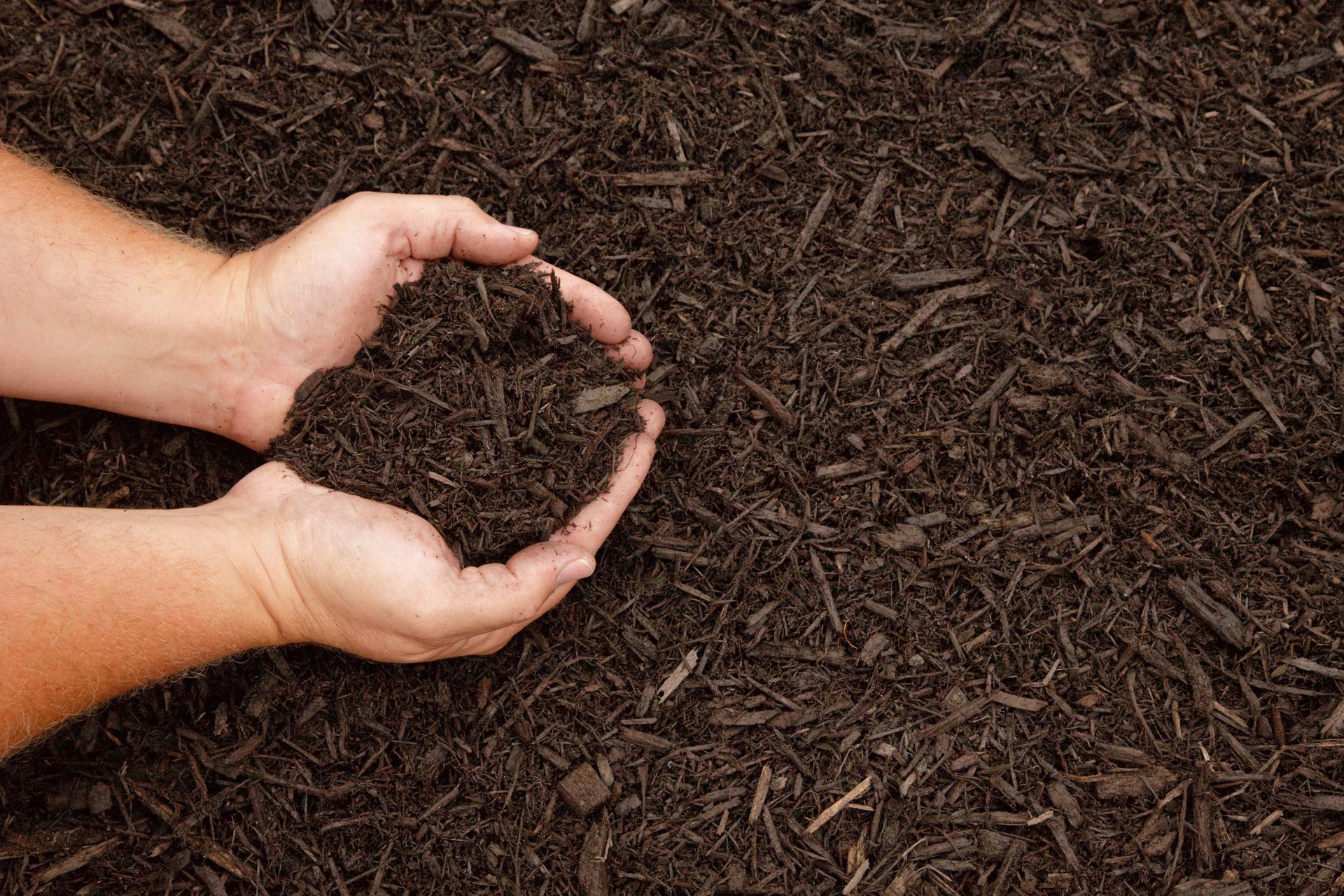
Mulch is a crucial tool in landscaping due to its ability to regulate soil temperature, retain moisture, and prevent erosion. It forms a protective layer over the soil that reduces evaporation, conserves water, and maintains soil moisture levels. By preventing rain impact directly on the soil surface, mulch minimizes soil compaction and runoff, thereby protecting the soil structure. Additionally, mulch enhances soil health by adding organic matter over time, improving soil structure and fertility. The use of mulch not only makes landscapes more sustainable but also more resilient against climatic extremes like intense rainfall.
Appreciating the Role of Mulch in Water Retention
Mulch enhances soil moisture by acting as a barrier that reduces evaporation and retains humidity beneath its surface. By minimizing direct sunlight exposure and wind speed on the soil, mulch maintains higher soil moisture levels, promoting healthy root systems. Its ability to hold onto water means that plants have access to more consistent moisture, reducing the frequency and amount of irrigation required. This characteristic is especially beneficial in drought-prone areas, where conserving water is crucial for sustainable landscaping. Preventing water from escaping the soil ensures plants remain hydrated longer, supporting more lush and resilient vegetation.
Mulch impacts plant water use favorably by optimizing soil moisture and reducing the need for frequent watering. With its moisture retention capabilities, mulch allows plants to absorb water more efficiently, even during dry periods. It minimizes water stress on plants, contributing to healthier growth and robust flowering and fruiting. Additionally, mulch provides an insulating effect that mitigates temperature fluctuations, reducing the risk of water evaporation from the soil. This stabilization creates a conducive environment for plant roots, supporting better nutrient uptake and overall vitality.
Mulch contributes to reduced evaporation rates by shielding the soil from direct sunlight and wind, both of which increase moisture loss. This protective layer alters the microclimate around the soil surface, creating more stable humidity levels. As a result, less water is lost to the atmosphere, and more remains in the soil for plant use. This reduction in evaporation is crucial in areas prone to high temperatures and low rainfall, where maintaining soil moisture can be challenging. By curbing evaporation, mulch supports sustainable water use practices and promotes more resilient gardens.
Preventing Soil Erosion With Mulch
Mulch stabilizes soil structure by creating a physical barrier that reduces the impact of rainfall on the soil. This barrier minimizes soil displacement and compaction, enhancing soil texture and porosity. By protecting the topsoil from being washed away during heavy rains, mulch preserves the nutrient-rich surface layer critical for plant health. Mulch also reduces the formation of surface crusts, which can impede water infiltration and contribute to erosion. Overall, its stabilizing effect supports robust plant growth and long-term soil integrity, contributing to a more balanced ecosystem.
Mulch reduces surface runoff by increasing the land's permeability and slowing down water flow across the landscape. Its loose and porous nature absorbs and retards the movement of water, allowing it to soak into the soil rather than cascade away. This retention reduces the volume and velocity of water reaching gutters and storm drains, decreasing the risk of flooding and erosion. Consequently, more water enters the soil profile, replenishing groundwater supplies and supporting plant hydration. The management of runoff through mulch applications and high-quality landscaping service enhances the sustainability and resilience of residential gardens.
Reducing soil compaction is another significant benefit of mulching, as compacted soil limits root growth and water infiltration. By covering the soil surface, mulch cushions the impact of feet and equipment, maintaining soil structure and aeration. This prevention of compaction supports a thriving root environment, promoting better nutrient uptake and plant performance. Additionally, the organic matter from decomposing mulch further enhances soil aeration, encouraging root proliferation. Consistent use of mulch promotes a loose, friable soil texture ideal for robust plant development and efficient landscape functionality.
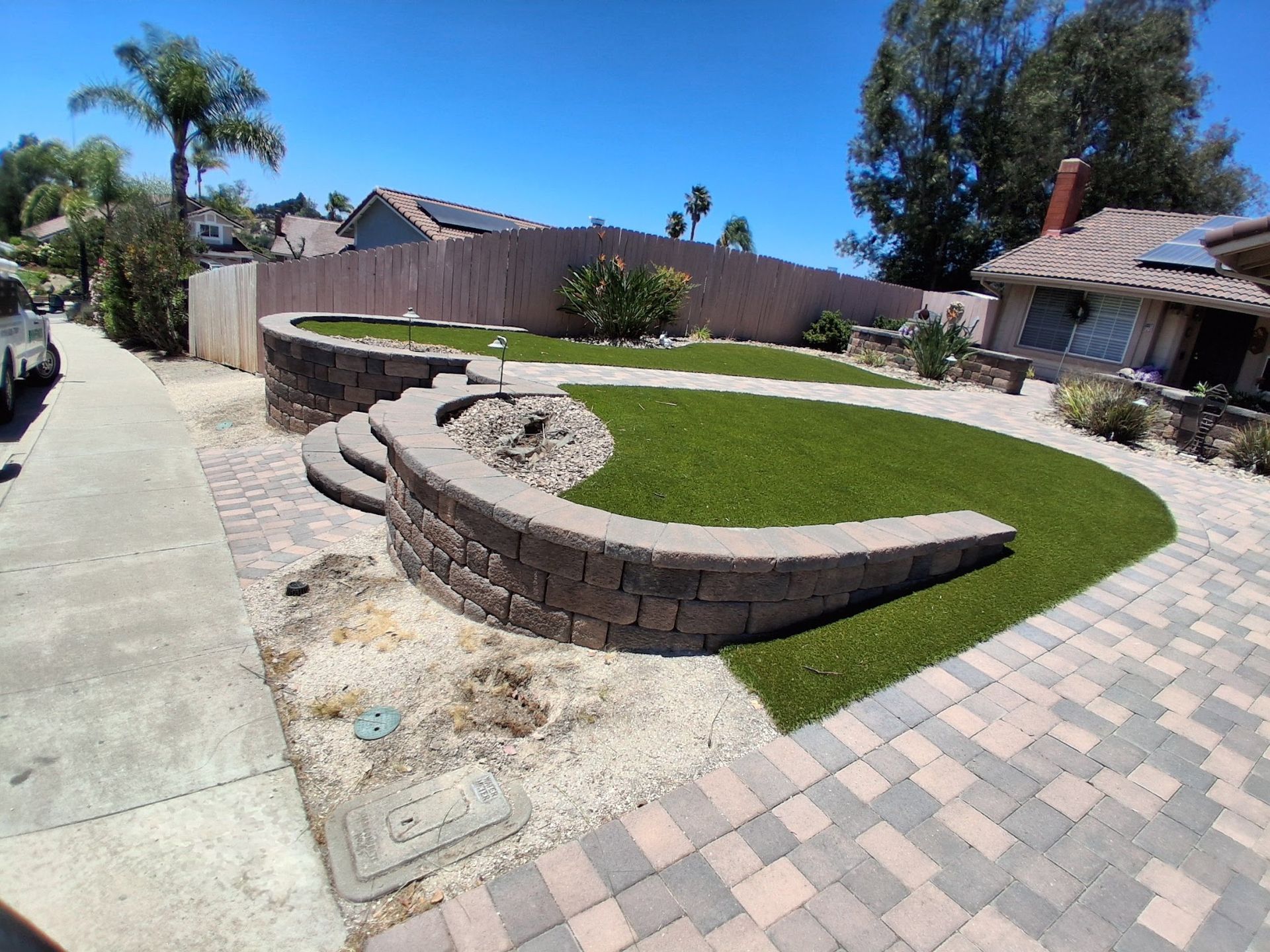
Mulch plays a critical role in protecting slopes from erosion by stabilizing the soil and reducing water flow velocity. Its application on slopes helps anchor soil particles, preventing them from being displaced during heavy rainfall. This stabilization reduces gullying and the loss of fertile topsoil, protecting the landscape's structural integrity. Mulch also aids in establishing vegetation on slopes, as its protective cover supports seed germination and root establishment. By preventing erosion, mulch maintains the aesthetic appeal and ecological function of sloped areas.
Long-term erosion control through mulching involves sustained maintenance and strategic planting designs. Vigorous plant growth, supported by mulch, forms a natural barrier to erosion by creating root networks that anchor the soil. Mulch retains moisture necessary for plant survival and ensures a continuous cover over the soil, mitigating wind and water erosion. Incorporating contour planting and terracing with consistent mulch applications maximizes erosion control effectiveness. Such integrated strategies make landscapes more resilient to environmental stresses, preserving soil health and ecosystem balance over time.
If you're looking for a reliable landscaping service that can help you incorporate landscaping mulch into your yard, reach out to our team at Kniffing's Landscape + Maintenance today!